

Book Now
powered by

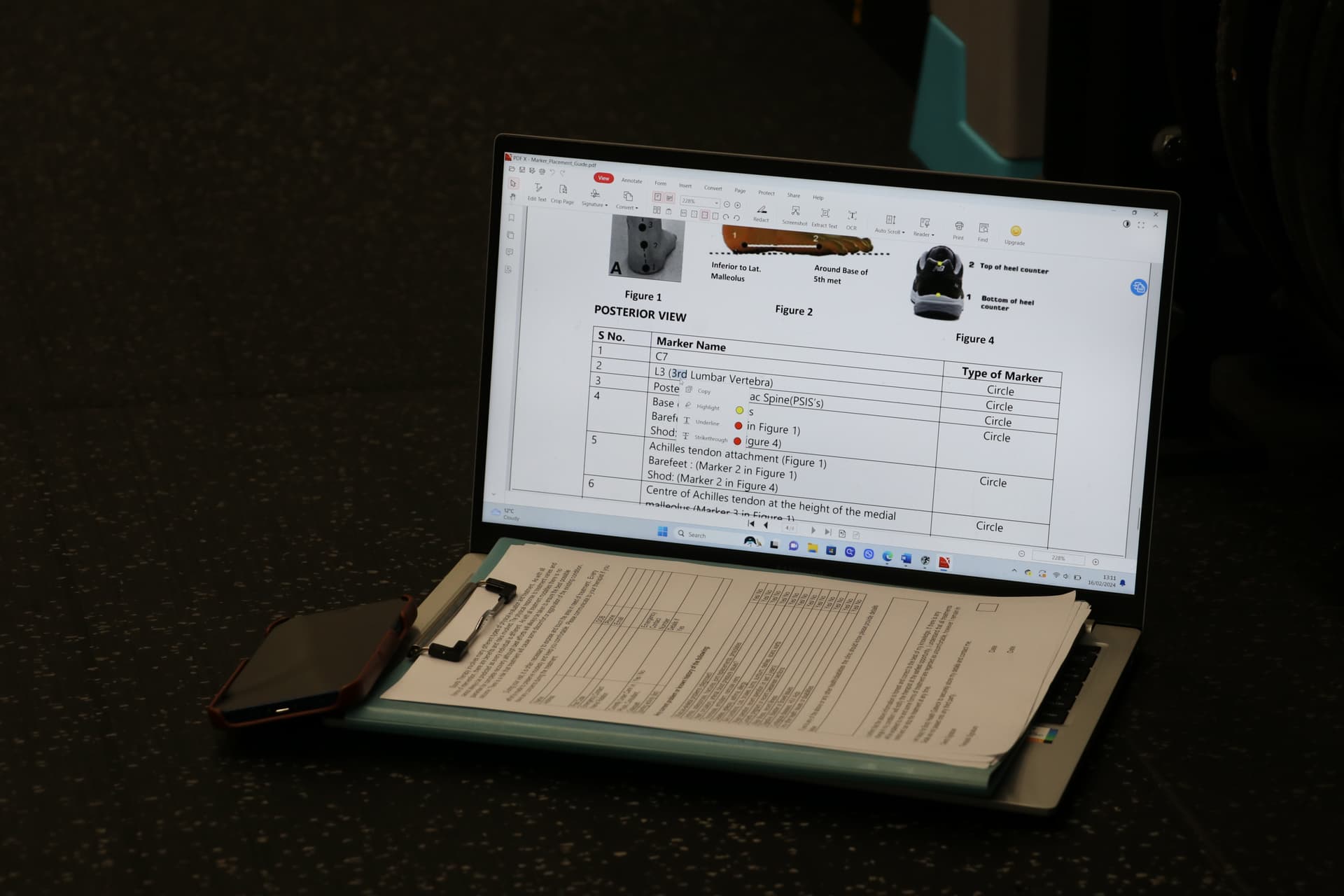
This service is ideal for anyone who wants to make meaningful, measurable improvements in their training. By using clear, objective data, we identify strengths, weaknesses, imbalances, and performance gaps that aren't always obvious through training alone. This gives you a precise starting point and a clear understanding of what to focus on to move forward.
With these results, you can follow a structured programme - whether that's designed by us or carried out independently - knowing it's based on accurate information rather than guesswork. After 3-6 months, you can return for a repeat assessment to see exactly how your numbers have changed, giving you concrete evidence of progress and helping you redefine your next training goals.
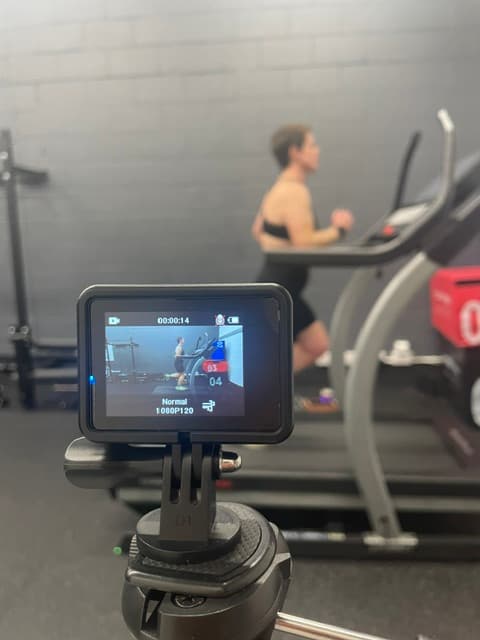
Our Performance Testing and Training service uses industry-leading technology to give you a complete, data-driven understanding of how your body performs. Using tools such as VALD Force Decks, grip and muscle strength dynamometry, functional movement screening, gait analysis, InBody body composition testing, VO₂ max testing, and metabolic rate assessments, we can accurately identify strengths, weaknesses, and opportunities for improvement.
This detailed insight allows us to build targeted training plans that maximise performance, reduce injury risk, and help you progress with clarity and confidence.
.jpg&w=1920&q=75)

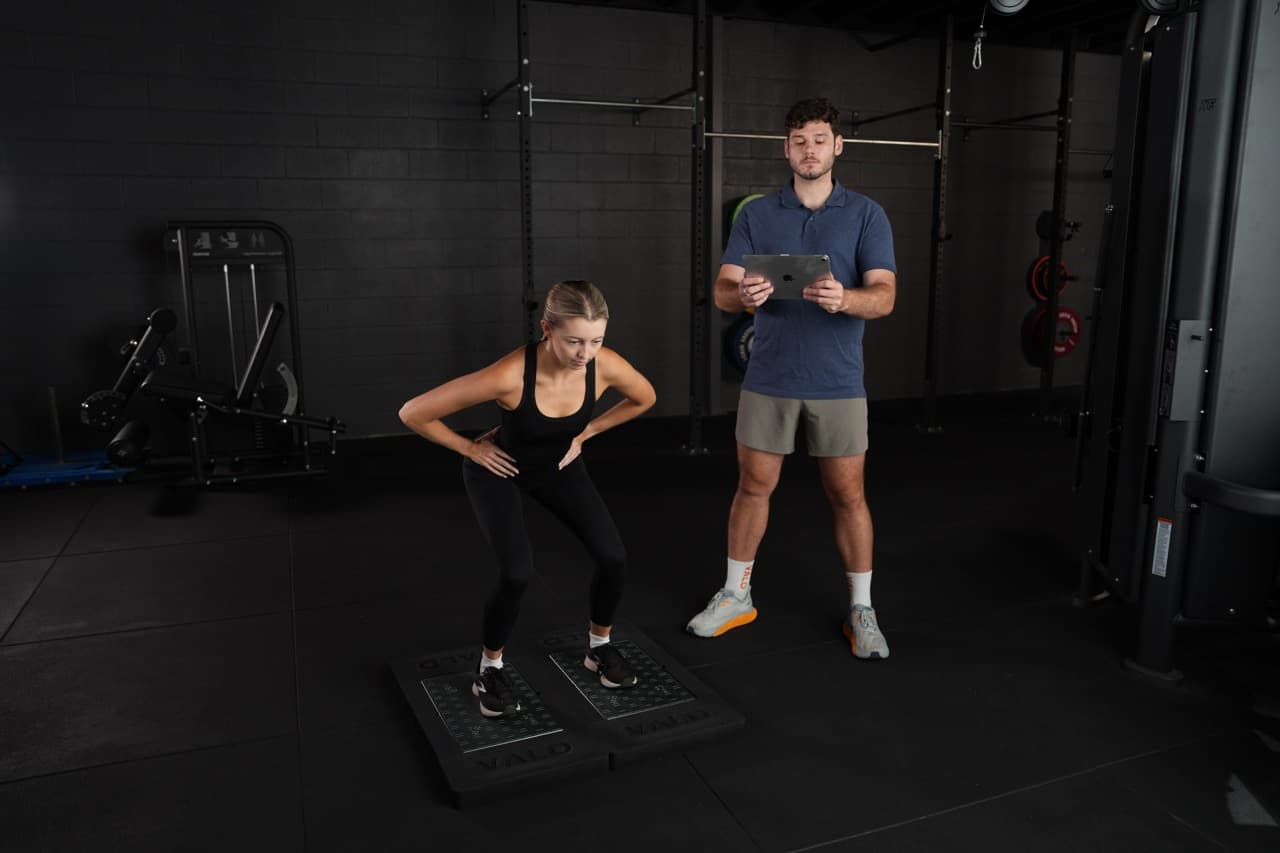
VALD force decks measure how much force an athlete or client applies to the ground when performing actions like jumping, squatting, or landing. They give accurate and repeatable metrics and provide visual reports to share with clients or athletes.

They record data such as:
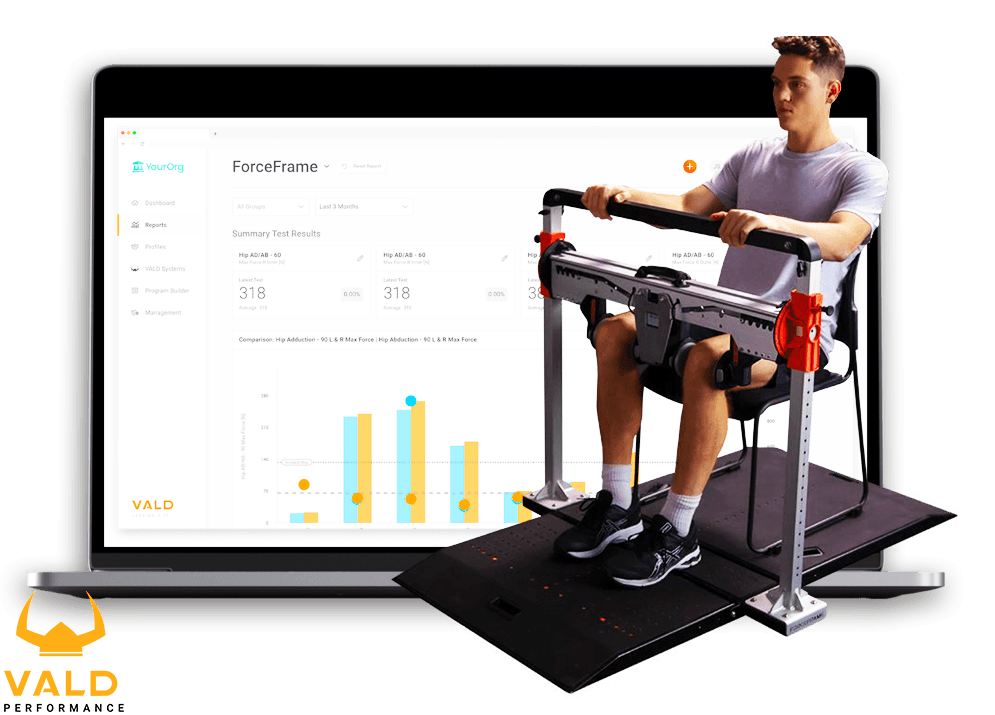
Ever wondered how we actually measure your strength - not just by how much weight you lift, but how much force your muscles truly produce? That's where muscle strength dynamometry comes in.
It's a fancy term for using a smart device (called a dynamometer) to measure how strong your muscles are in specific movements — like your legs, arms, shoulders, or core. Think of it as a strength scan that shows exactly how much power each muscle group can produce.

We use dynamometry to:
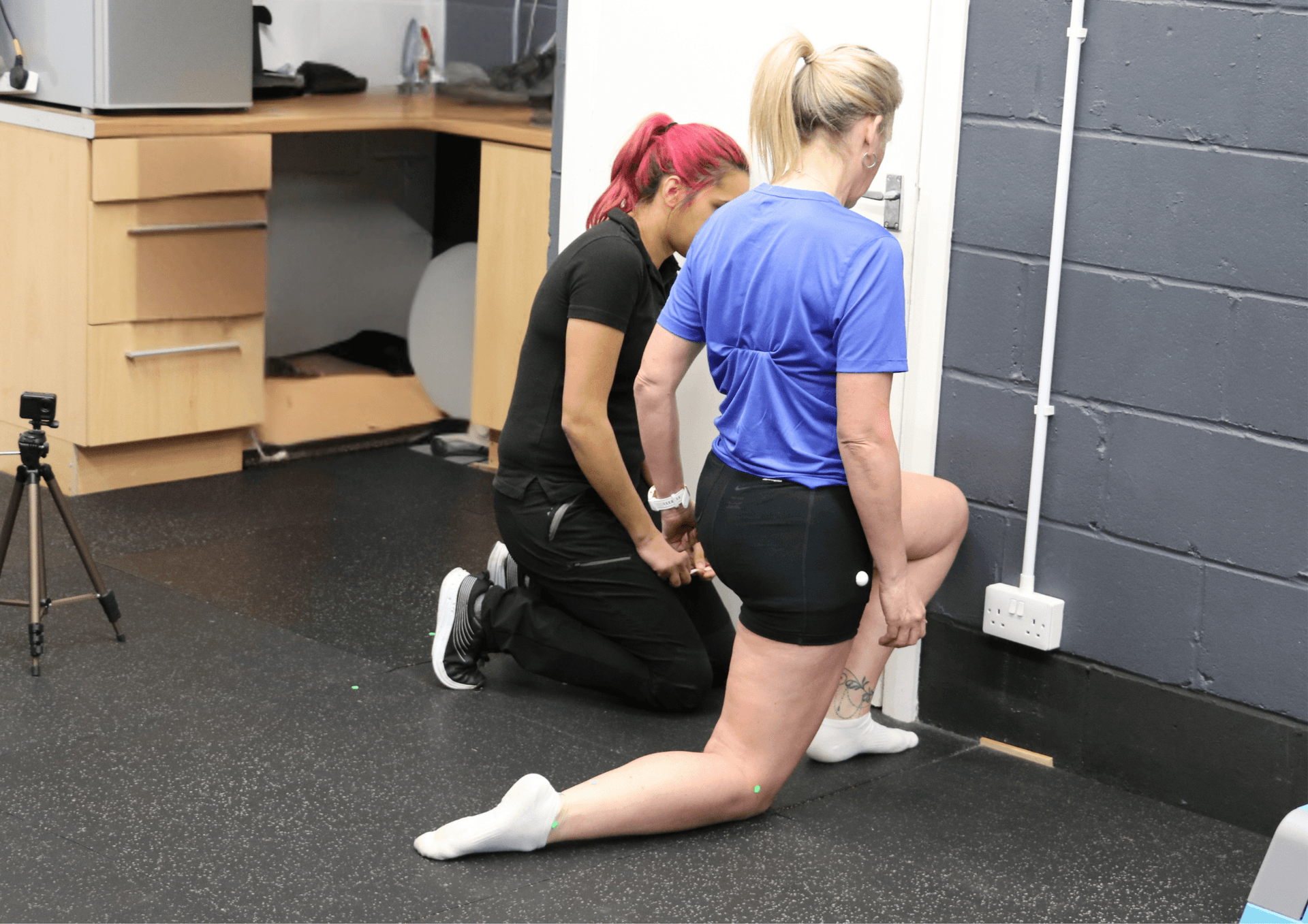
Functional Movement Screening is a focused assessment designed to show how well your body moves and how effectively your joints and muscles work together. By running through a series of controlled movement patterns, we can highlight areas of weakness, tightness, or imbalance that may be contributing to pain, limiting performance, or increasing the risk of injury.
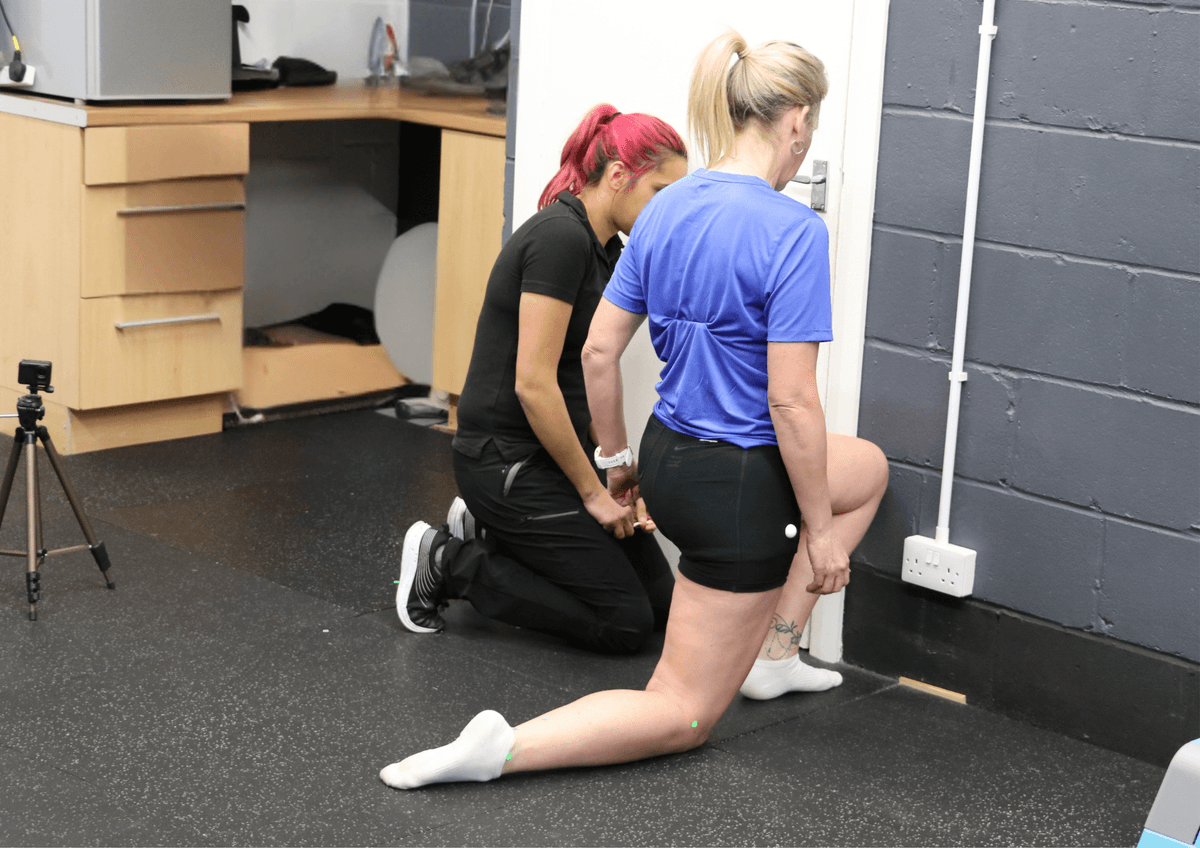
Key benefits of Functional Movement Screening:
With this insight, we focus on correcting the underlying causes rather than simply managing symptoms. By improving your fundamental movement patterns, we create a more efficient and resilient foundation for everything you do - whether that's training, sport, or everyday activity.
VO₂ max is one of the best indicators of cardiovascular health and endurance. The higher your VO₂ max, the more oxygen your body can use. During a VO₂ max test, you wear a mask that measures how much oxygen you breathe in and how much carbon dioxide you breathe out while exercising (often on a treadmill or bike).
VO₂ Max Testing measures:
Why it is used:
VO₂ max testing is one of the best indicators of cardiovascular health and endurance.
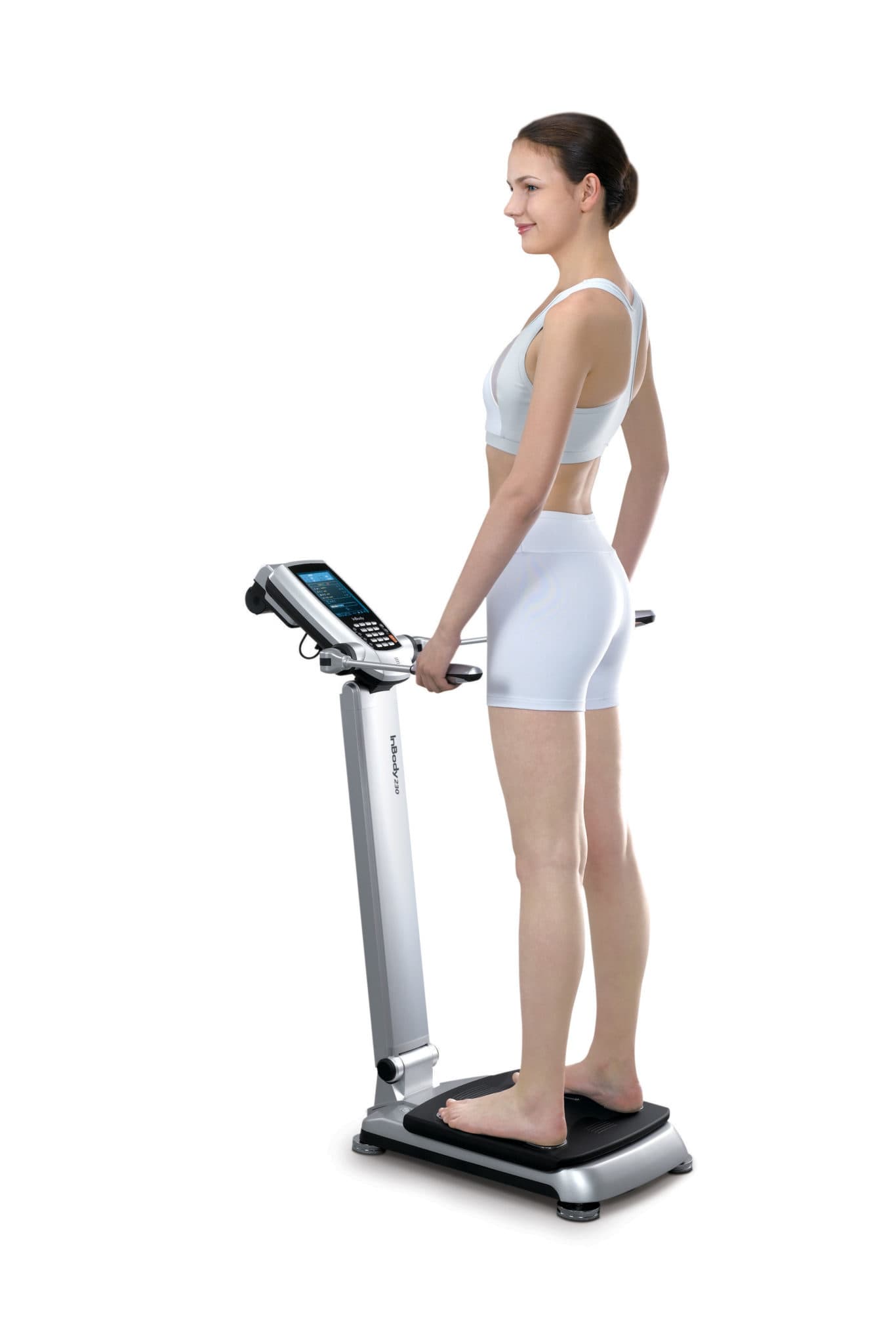
InBody scans show what's really happening inside your body, not just what the scale says. It can show if you're losing fat, gaining muscle, or just shifting water and can flag potential health risks early.

InBody scans can show: